Thinking About Building a Backyard Cottage in Nashville?
Here's What You Should know About DADUs
If you’ve ever thought:
“Could we build a little guest house in the backyard?”
“Could we add rental income to our property?”
“Could my parents or kids live nearby but have their own space?”
You’re thinking about what Nashville calls a Detached Accessory Dwelling Unit, or DADU.
Across Middle Tennessee – especially in historic neighborhoods like Sylvan Park, 12 South, Lockeland Springs, Germantown, and Hillsboro Village – homeowners are adding backyard cottages as a smart way to expand living space without leaving the neighborhoods they love. These small backyard homes are becoming one of the most popular ways homeowners add flexible space, but the city has specific rules about how they work.
The team at Artisan Build Construct put together this guide to break down everything you should know about building a DADU in Nashville: the opportunity, the limits, and what the process actually looks like.
What Is A DADU?
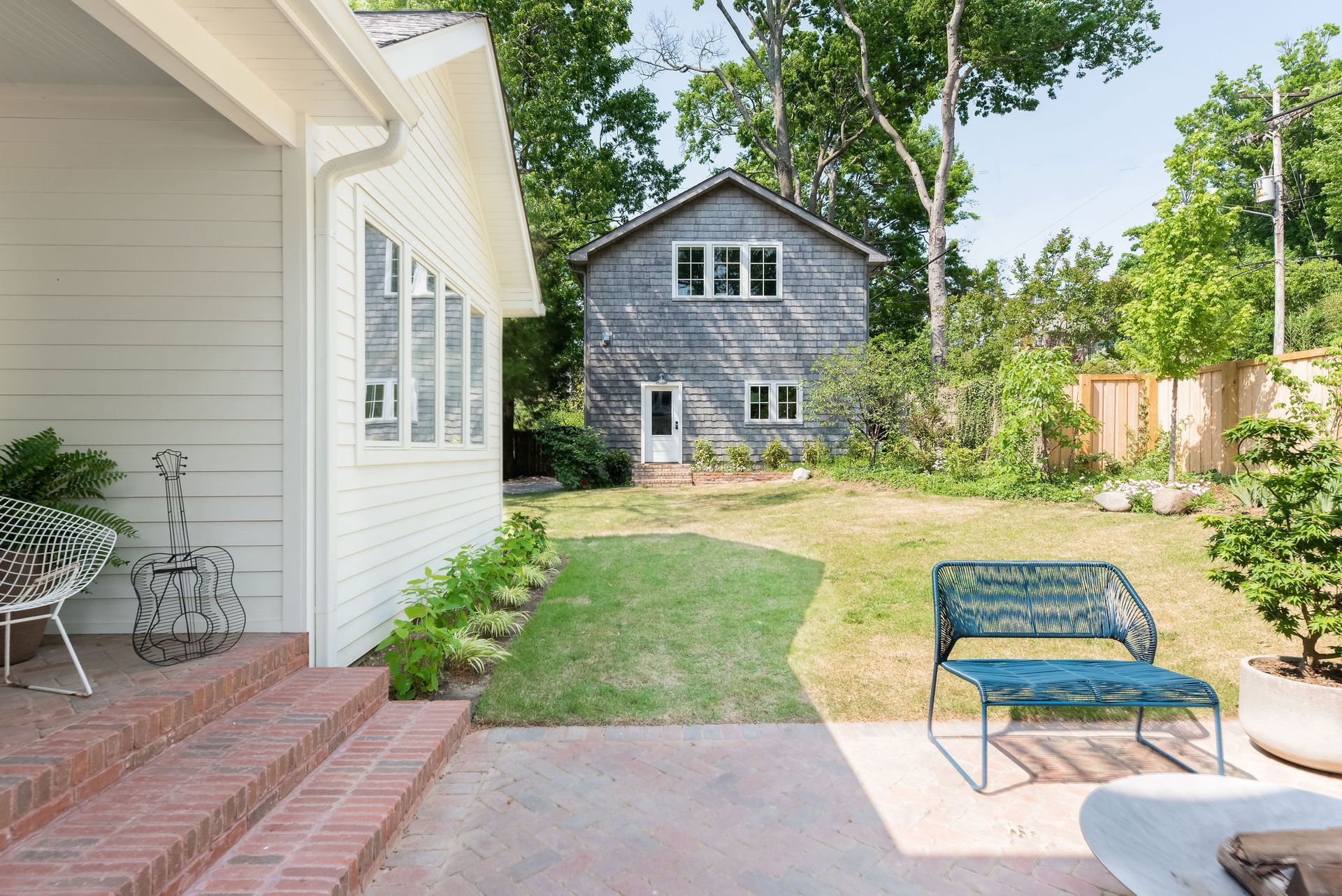
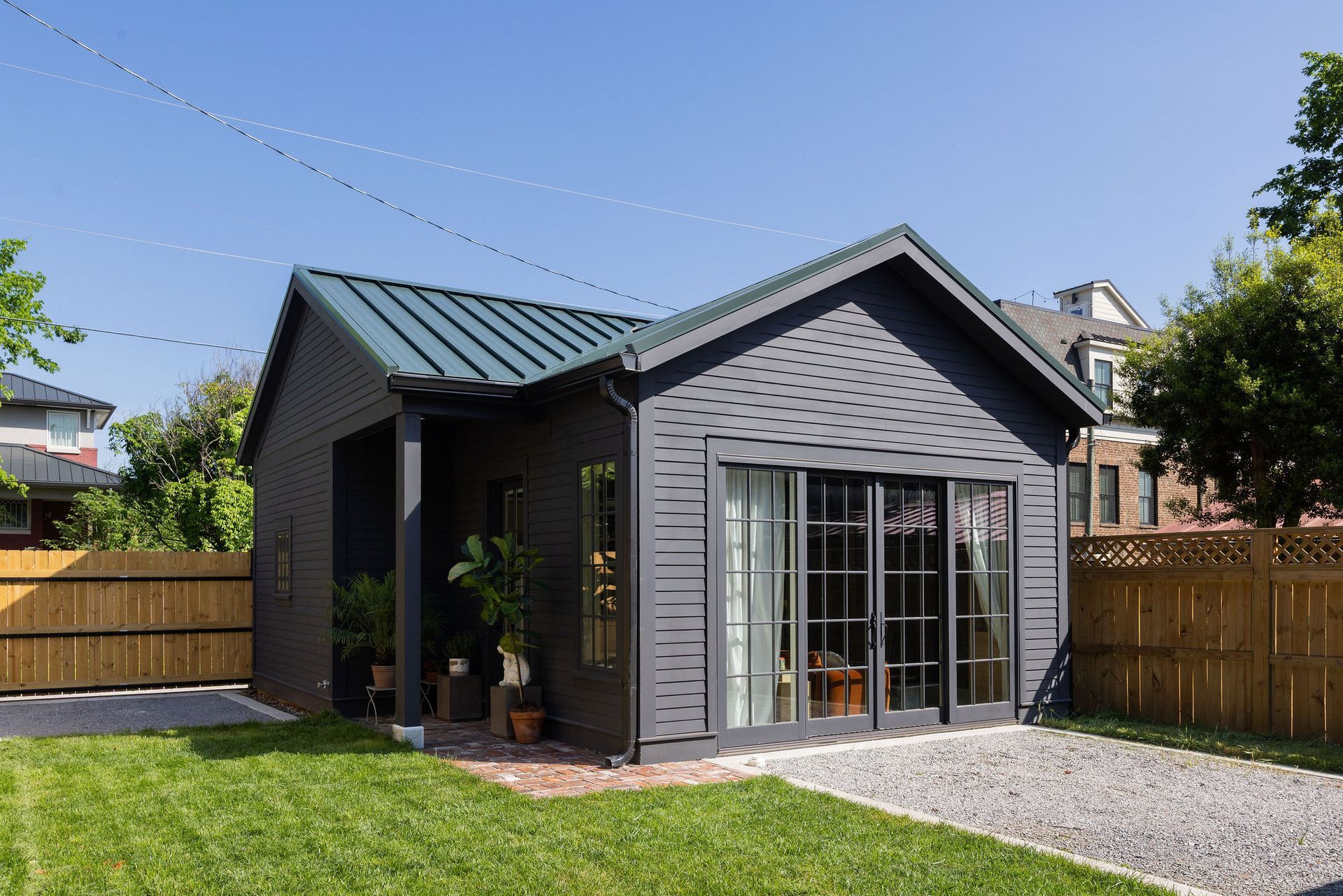
A DADU (Detached Accessory Dwelling Unit) is a small, independent home built on the same lot as your existing house. Around Nashville, you might hear them called carriage houses, guest homes, backyard studios, or in-law suites – but they all function as fully livable mini homes.
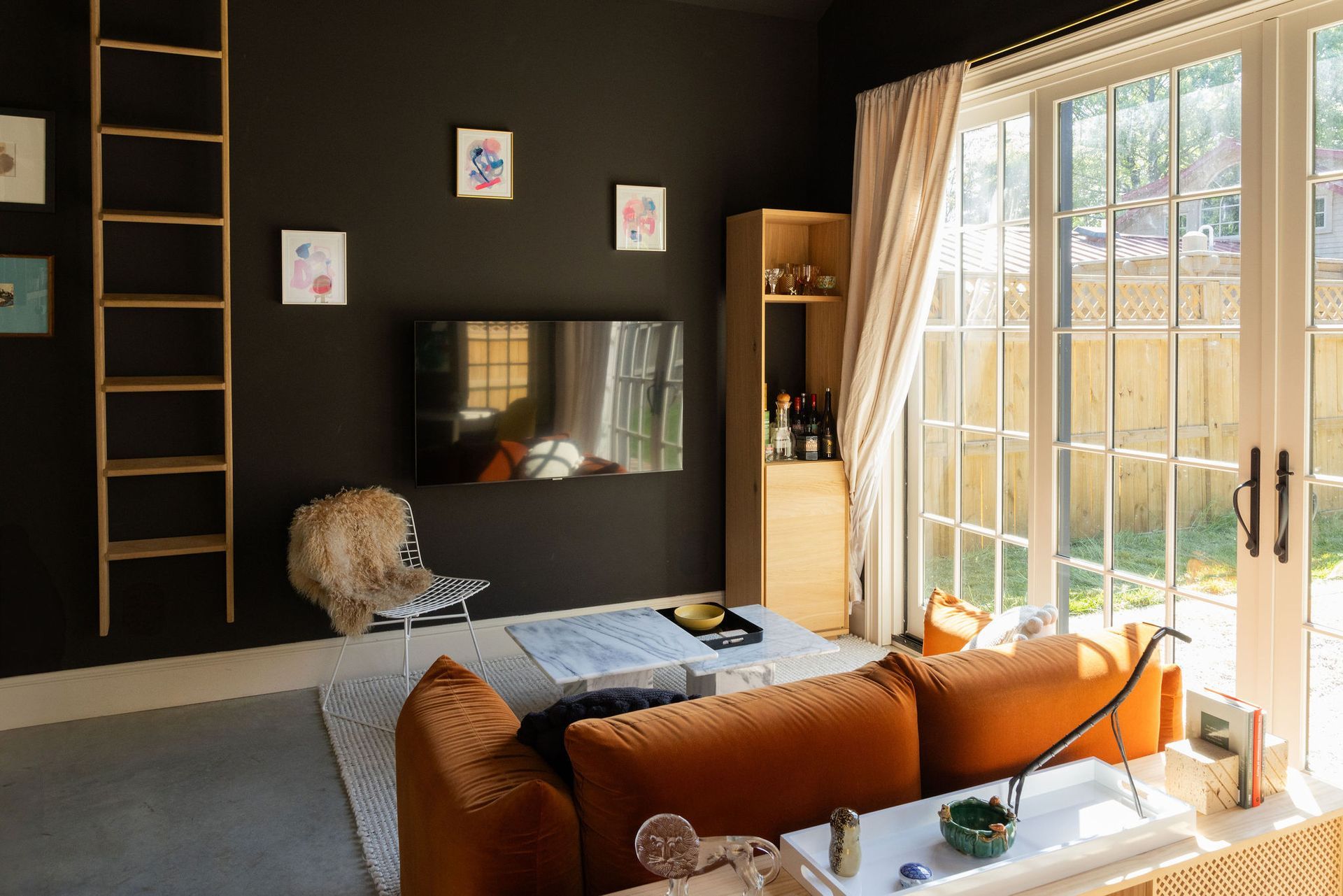
A well-designed DADU includes a kitchen, bathroom, sleeping area, and living space – just scaled to fit efficiently behind or beside the main house. They’re popular for guest housing, rental income, home offices, and studios. The possibilities are endless!
One important distinction to know is that a DADU is not a duplex and can’t be sold separately. It always remains legally connected to the primary home.
Why Do Homeowners Build DADUs?
Most DADU projects start with lifestyle flexibility, not just investment.
Common reasons Middle Tennessee homeowners build DADUs include:
- space for family or aging parents
- adult children living independently
- long-term rental income
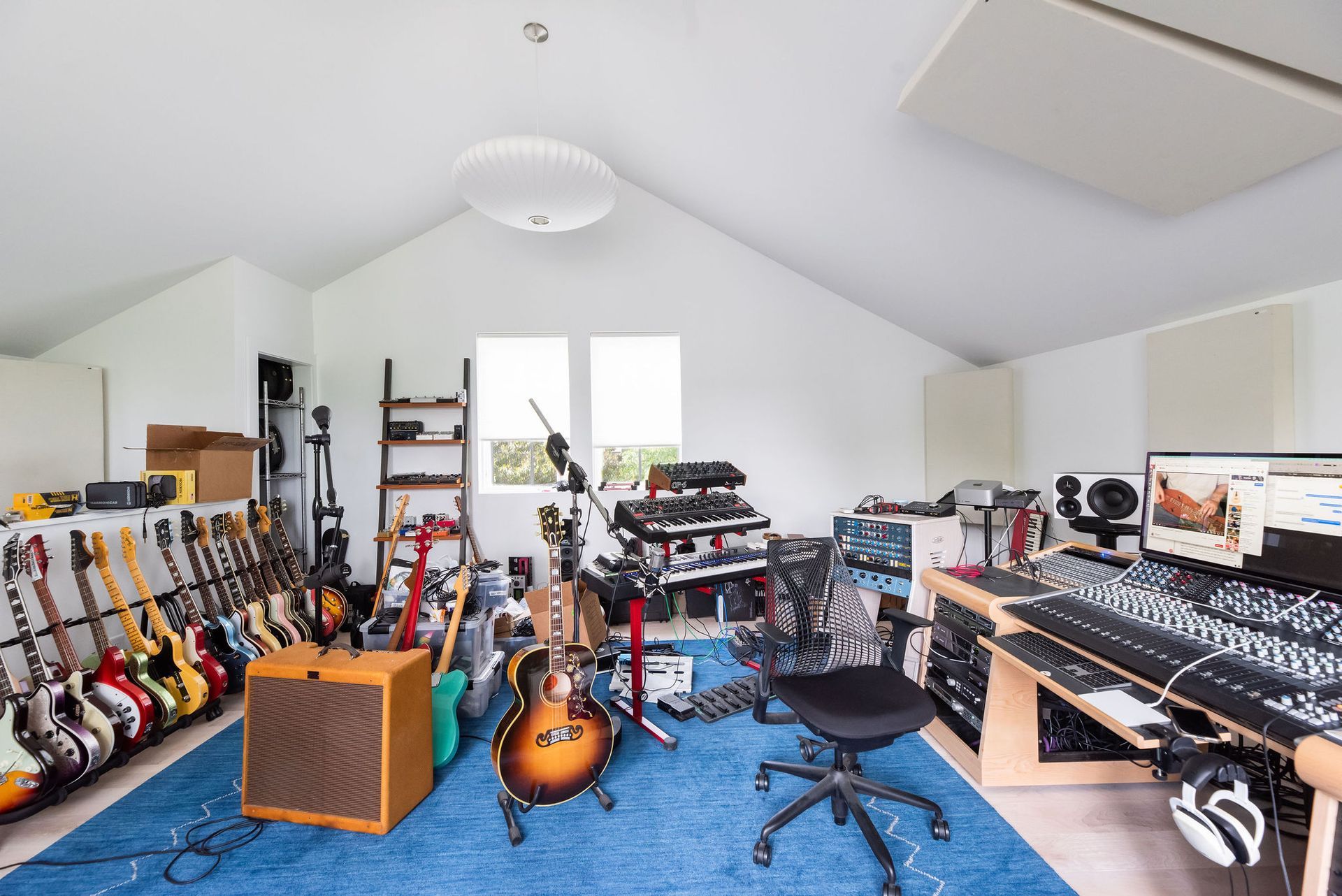
- home office or creative studio
- music or art space
- guest accommodations
- multigenerational living
In a city like Nashville where land is valuable and neighborhoods matter, a DADU lets you grow your home footprint without moving away from the area you’ve invested in.
Can Every property build a DADU?
Not automatically. Nashville allows DADUs on many residential lots, but eligibility depends on zoning and overlays.
In simple terms:
- The lot has to be large enough
- The zoning must allow it
- Only one DADU per property
- The property must have one main house
- You can’t add a DADU to a lot with multiple primary buildings
This is where a professional review saves time and money. A quick zoning check early prevents expensive surprises later.
At Artisan Build Construct, we help homeowners navigate this from day one. We’ll review your property, check zoning, and walk you through what’s realistically possible before you spend money on plans or permits.
Do You Have to Live on the Property to Build a DADU?
Yes, the city requires that:
- The main home and DADU have the same owner
- One of the two units must be owner-occupied
This rule exists to protect neighborhood stability and prevents purely absentee investment builders, especially in historic areas. If you plan to build strictly as an absentee investment property, a DADU likely isn’t the right structure.
Can You Use a DADU as an Airbnb in Nashville?
In most single-family zones, new DADUs cannot be used as short-term rentals like Airbnb.
They can still be used for long-term rental or family housing.
Many homeowners are surprised by this — it’s one of the first things we explain during planning.
How Big Can a DADU be?
The city limits living space based on lot size:
- Lots under 10,000 sq ft → max 700 sq ft
- Lots 10,000+ sq ft → max 850 sq ft
It also can’t be bigger than the main house.
That may sound small, but thoughtful design can make these spaces feel incredibly efficient and comfortable.
Where Can a DADU Be Placed and How Tall Can It Be?
DADUs are meant to stay visually secondary to the main house. That means:
- It can’t be taller than your home
- Height caps depend on whether it’s one or two stories
- It must sit behind or beside the main structure
- Minimum setbacks are typically 3 feet from property lines
- No building over easements or restricted areas
This is why site planning and surveying matter early in the process, especially in Nashville neighborhoods with tighter lot conditions.
Can You Pull a DADU Permit Yourself in Nashville?
Nashville requires a licensed contractor to pull the permit.
New DADU plans must include:
- site layout
- elevations
- floor plan
- height measurements
- design details
Multiple Metro departments review the project before construction begins. It’s detailed, but manageable when coordinated properly.
Why Is Professional Guidance Important for a DADU Project?
A DADU project touches many systems at once:
- zoning
- codes
- planning
- historic overlays (if applicable)
- stormwater
- utilities
- permitting timelines
Most delays happen when these are handled separately instead of as one coordinated plan. That’s why Artisan Build Construct approaches DADUs as a full process – from feasibility and design guidance to permitting and construction. We help homeowners move forward confidently instead of guessing their way through city requirements.
The Big Picture
Nashville’s updated DADU framework isn’t about restricting homeowners — it’s about encouraging smart growth while protecting neighborhood character.
For the right property, a DADU can:
- increase property value
- create long-term housing flexibility
- support family living
- add income potential
- future-proof your home
Success comes from understanding the rules and designing within them – not fighting them.
If you’re considering a backyard cottage in Nashville or anywhere in Middle Tennessee, the best first step is a clear feasibility review. The Artisan Build Construct team is always happy to walk your property, explain your options, and help you plan a path forward that actually works.