Historic Building Remodeling in Nashville: Why Details, Craftsmanship, and Care Matter
A Nashville Homeowner’s Guide to Remodeling Historic Buildings with Care, Craftsmanship, and Respect for Historic Character
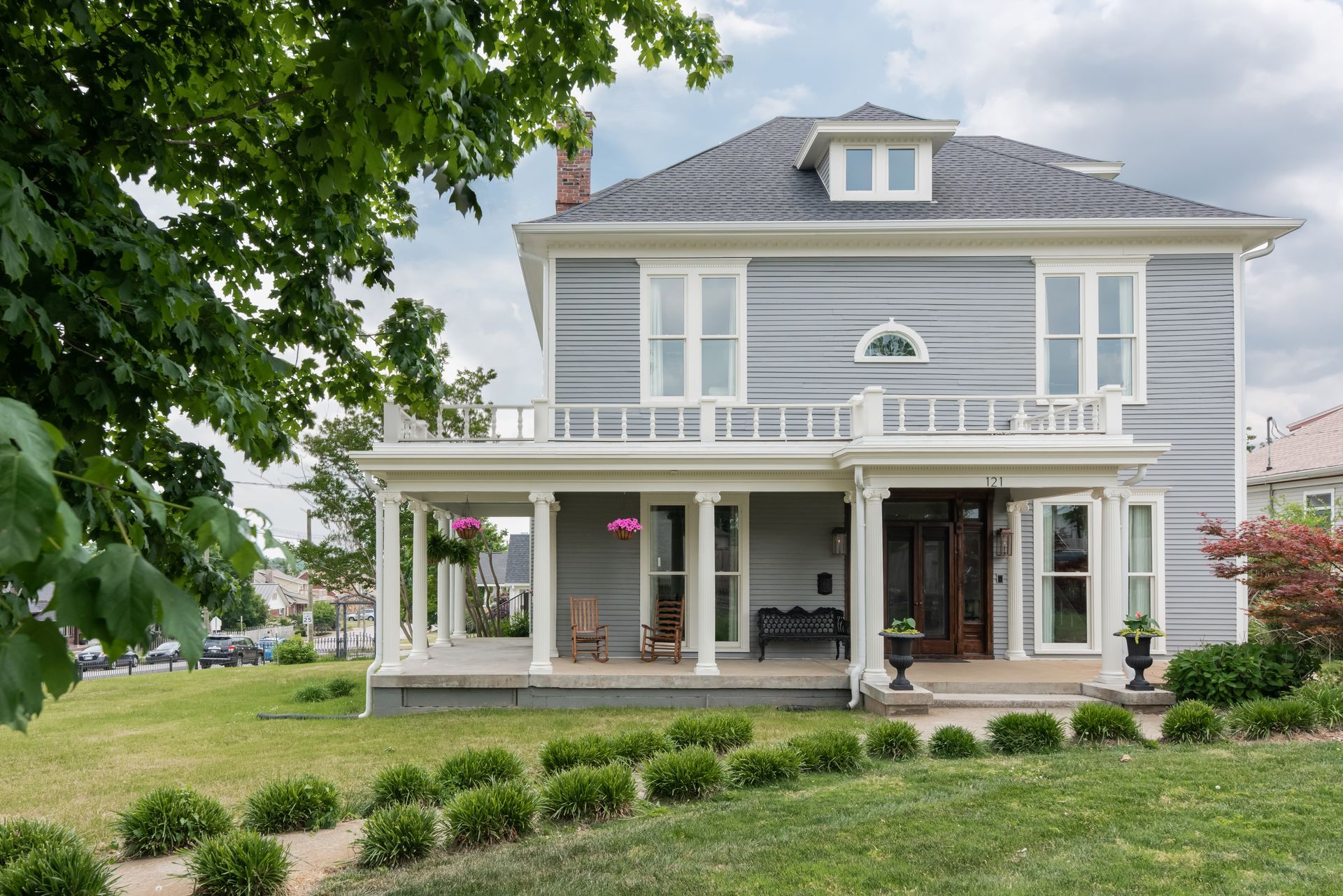
Nashville has no shortage of historic buildings. From East Nashville cottages and 12 South bungalows to Belmont-Hillsboro homes, Germantown structures, and older houses tucked into neighborhoods across Davidson County, the city’s architectural character is one of the reasons people love living here.
But remodeling a historic building is not the same as remodeling a newer home.
A historic home carries more than square footage. It carries proportions, materials, rooflines, trim details, porch rhythms, window patterns, and craftsmanship that may be difficult — or impossible — to recreate once they are removed. That does not mean historic buildings should be frozen in time. Many older homes need larger kitchens, better bathrooms, rear additions, updated mechanical systems, safer stairs, improved insulation, and more functional layouts for modern family life.
The challenge is knowing how to make those improvements without erasing the character that made the building worth saving in the first place.
What Makes a Historic Building Different?
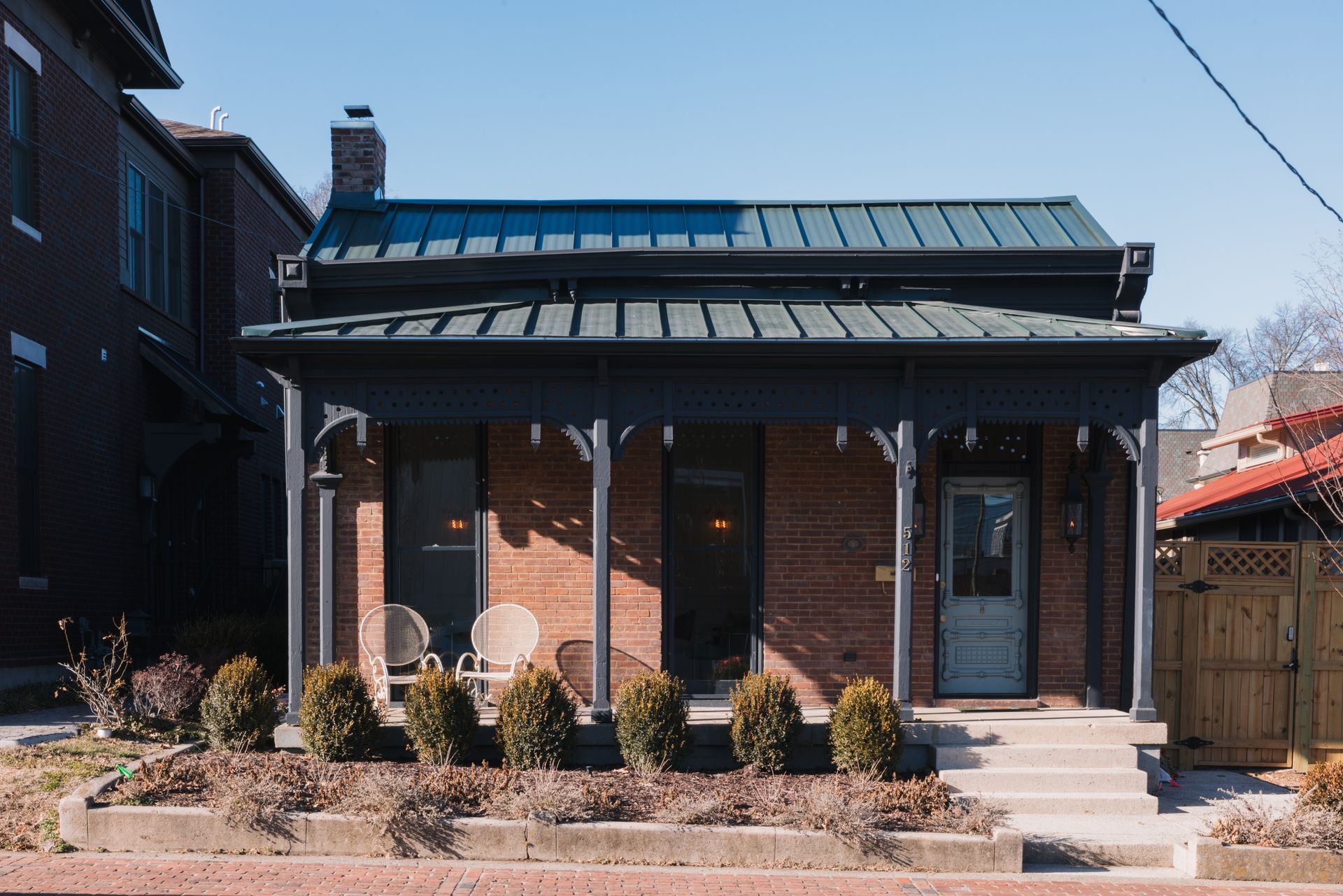
A historic building is not always grand or famous. In Nashville, many historic homes are modest houses that help form the rhythm of a neighborhood. A simple front porch, original wood windows, exposed rafter tails, brick foundation, stone steps, or carefully proportioned dormer may be part of what gives the home its value.
That is why remodeling a historic building requires a different kind of attention. The question is not only, “Can we add more space?” It is also:
- Can the addition feel compatible with the original home?
- Can old materials be repaired instead of replaced?
- Can new details respect the scale of the existing building?
- Can modern comfort be added without making the house look generic?
In historic remodeling, small decisions often have a large visual impact.
Historic Overlays in Nashville
Some Nashville properties are located within a historic zoning overlay, such as a Neighborhood Conservation Zoning Overlay or a Historic Preservation District. Historic zoning overlays generally sit on top of the base zoning. They do not necessarily change how the property can be used, but they may add a design review process intended to protect the character of the neighborhood or individual historic structure.
This matters because a home addition, porch change, window replacement, dormer, garage, demolition, or exterior alteration may need review before construction. The type of review and design guidelines can vary depending on the specific district and overlay type.
For homeowners, this means the design process should begin with research. Before assuming what can be built, it is important to understand the property’s zoning, overlay status, applicable design guidelines, setbacks, height limits, and review requirements.
Remodeling a Historic Building Is About More Than Matching the Old
One common mistake is thinking that historic remodeling means simply copying old details. In reality, the best historic building remodels usually balance three goals.
First, they respect the original building. The existing roof shape, front façade, window rhythm, porch structure, siding exposure, trim depth, and foundation height should be carefully studied before any design decisions are made.
Second, they make the house work for today. Many older Nashville homes were not designed for open kitchens, large primary suites, mudrooms, home offices, or modern storage needs. A thoughtful remodel can solve these problems without making the home feel disconnected from its history.
Third, they create a clear relationship between old and new. Sometimes an addition should be quiet and secondary. Sometimes it can be slightly more modern while still respecting the original scale and proportions. The key is intentionality. A rear addition that overwhelms the original house can feel careless. A well-proportioned addition can feel like the home naturally evolved over time.
Why Details Matter So Much
Historic homes are often defined by details that newer construction overlooks.
A window is not just a window. Its size, sash pattern, trim, sill, depth, and placement all affect the character of the elevation. A porch column is not just structural. Its thickness, base, capital, spacing, and relationship to the beam above can change the entire face of the house. Siding is not just exterior cladding. The reveal, texture, corner boards, and transitions can determine whether an addition feels compatible or cheap.
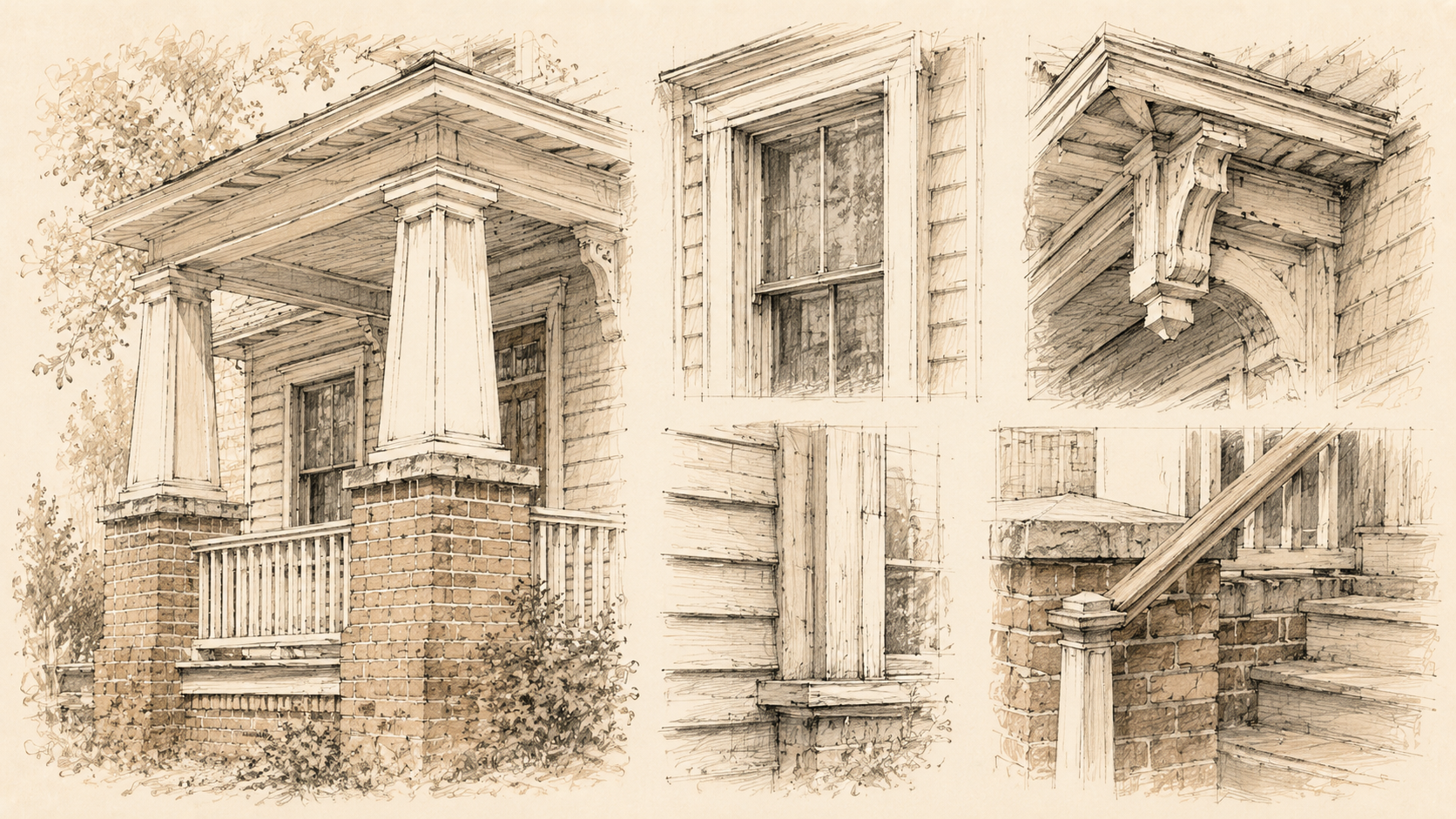
This is where historic building remodeling becomes a craft. The difference between a good remodel and a disappointing one may come down to small items such as:
- How the new trim meets the old trim.
- Whether the porch beam looks too thin.
- Whether replacement windows sit too flat against the wall.
- Whether the new addition’s roof pitch fights the original roof.
- Whether the siding exposure matches or complements the existing house.
- Whether the new stair, railing, or built-in cabinetry feels like it belongs.
These are not only aesthetic concerns. They influence property value, neighborhood character, and the homeowner’s long-term satisfaction with the project.
Home Additions on Historic Buildings
Adding onto a historic building is one of the most sensitive types of remodeling. Homeowners often need more space, but the addition should not overpower the original structure.
In Nashville, many successful additions are placed toward the rear of the home so the historic front remains the primary visual element. The scale of the addition should be considered from the street, alley, neighboring properties, and backyard. Even if the added square footage is large, the design can often be broken into smaller forms to reduce visual bulk.
Rooflines are especially important. A poorly designed roof can make an addition look awkward, even when the floor plan works well. The roof pitch, ridge height, eave depth, overhang, dormer placement, and gutter lines all need careful study.
The connection between old and new also matters. A transition area, hyphen, step-back, or subtle material change can help the addition feel intentional instead of forced. The goal is not always to hide the addition. The goal is to make it respectful.
Renovations Require Patience
Renovating a historic building often reveals surprises. Walls may not be square. Framing may have been modified over decades. Old masonry may need repair. Previous owners may have covered original details with vinyl, drywall, paneling, or layers of paint. Electrical, plumbing, and HVAC systems may need more work than expected.
This is why homeowners should approach historic remodeling with patience. The design and construction teams need time to investigate conditions, measure carefully, and make decisions that do not damage important features.
A historic remodel should not be rushed into a generic solution. The best results usually come from careful observation.
- Where is the original structure still intact?
- Which details should be preserved?
- Which elements are damaged beyond repair?
- Which previous renovations should be reversed?
- Where can new construction be clearly and cleanly introduced?
These questions help protect both the character of the home and the homeowner’s investment.
Why Builders With In-House Carpenters Have an Advantage
Historic building remodeling often depends on field craftsmanship. This is where builders with skilled in-house carpenters can have a major advantage.
Many historic remodels require custom solutions. A standard off-the-shelf trim package may not match the original profile. A porch repair may require careful replication of existing woodwork. A built-in cabinet may need to fit into an out-of-square room. A stair rail may need to meet modern safety expectations while still feeling appropriate for an older home.
When a builder has in-house carpenters, there is often more control over the quality and consistency of these details. The team can respond more quickly when existing conditions are uncovered. They can mock up details, adjust dimensions in the field, and solve problems without waiting on multiple disconnected subcontractors.
This does not mean subcontractors cannot do excellent work. Many can. But historic remodeling rewards continuity. When the same team understands the design intent, the existing building, and the expected finish quality, the final result is usually more cohesive.
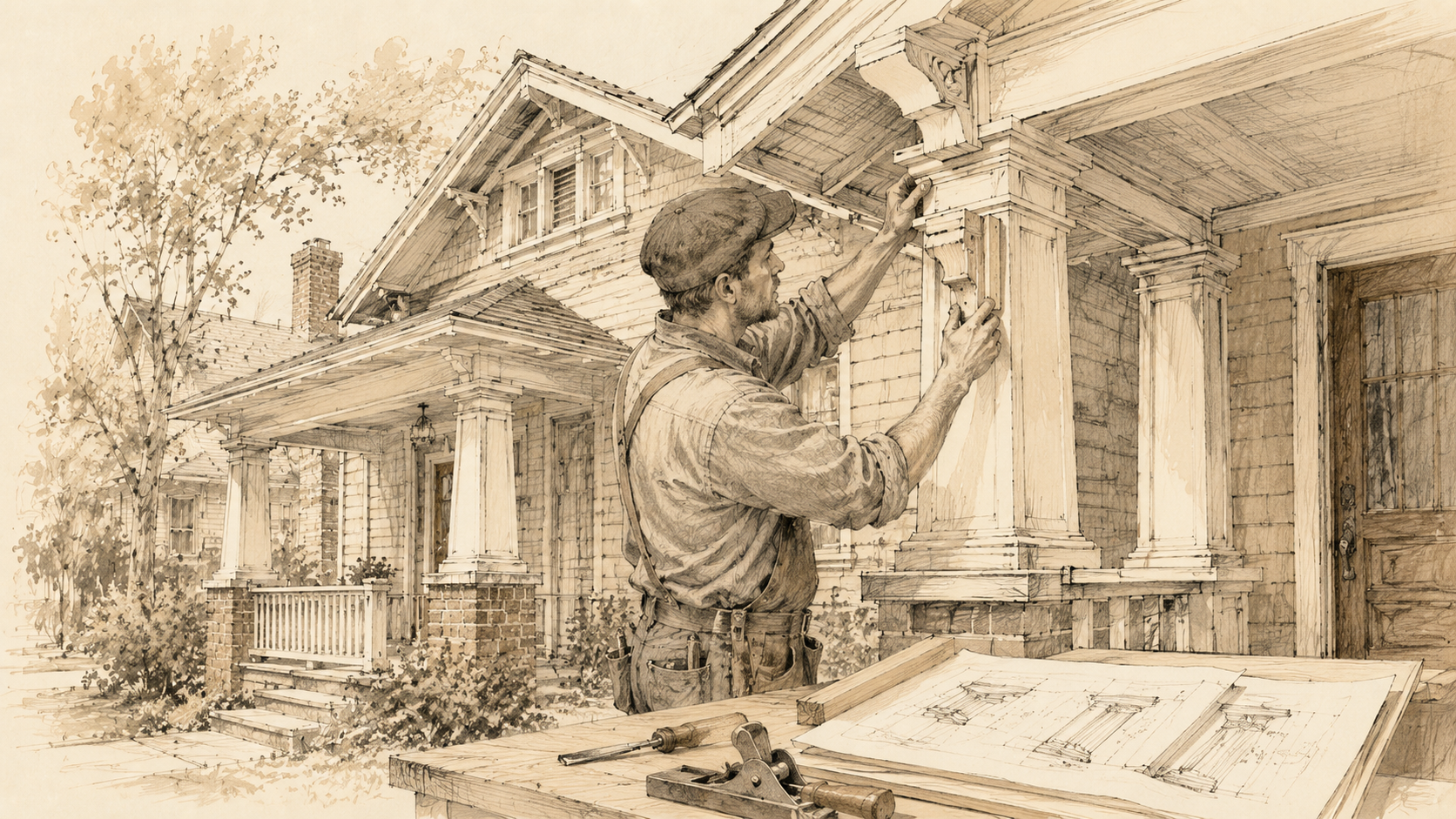
In-house carpentry can be especially valuable for:
- Porch repairs and reconstruction
- Custom trim matching
- Built-in cabinetry
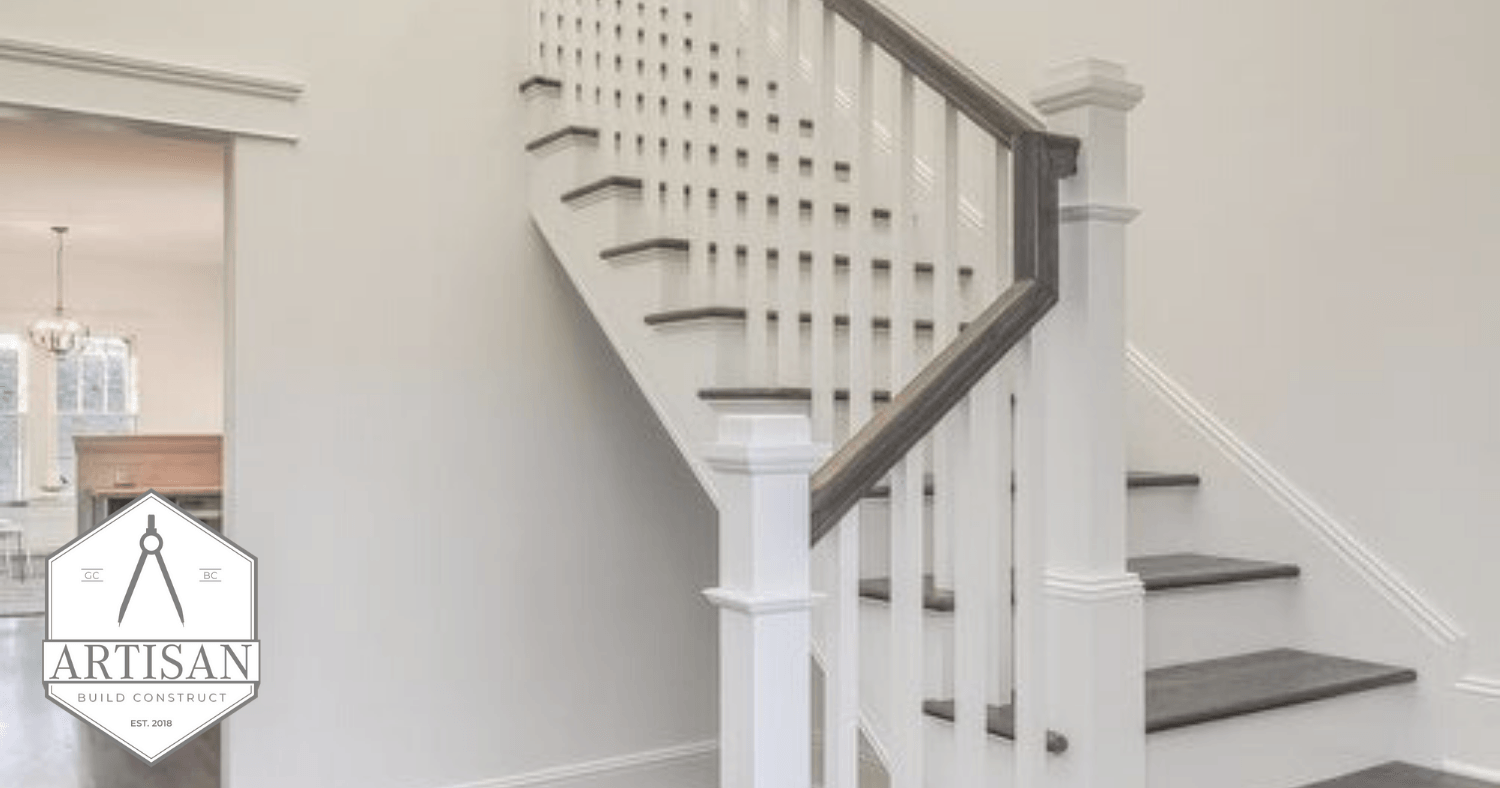
- Stair details
- Window and door trim
- Exposed rafter tails
- Wood siding repairs
- Historic-style brackets and decorative elements
- Interior casing, baseboards, and crown molding
- Careful transitions between old and new construction
For homeowners, this is an important question to ask when interviewing builders: Who will actually execute the detailed carpentry work, and how much control does the builder have over that process?
The Role of Design Before Construction
A historic building remodel should not begin with vague sketches and assumptions. The design phase is where many expensive construction problems can be prevented.
Good design documentation helps clarify the existing conditions, proposed changes, exterior elevations, roof forms, window and door locations, material relationships, and major details. For homes in a historic overlay, drawings may also need to communicate how the project responds to the applicable guidelines.
This is especially important for additions. A floor plan alone is not enough. Homeowners need to understand how the new volume will look from the outside, how the roof will connect, how the addition affects the original structure, and how the details will be handled.
Design is not just about making something look nice. It is a communication tool between homeowner, builder, reviewer, and tradespeople.
Preserving Character While Improving Daily Life
The best historic building remodels do not treat preservation and comfort as opposites. A home can be more functional and still retain its historic identity.
A kitchen can be expanded without destroying the front character of the house. A primary suite can be added in a way that feels secondary to the original structure. A porch can be repaired with better materials while keeping its historic proportions. A tired interior can be updated while preserving original trim, doors, flooring, or stair details.
The key is deciding what deserves protection and where change can happen more freely.
Not every old material is sacred. Not every new material is wrong. But every decision should be made with awareness.
A Better Way to Think About Historic Remodeling
For homeowners in Nashville, remodeling a historic building should not be viewed as an obstacle. It should be viewed as an opportunity to create something richer than a standard remodel.
Historic homes already have depth. They have texture, memory, scale, and neighborhood presence. A thoughtful remodel builds on those qualities instead of flattening them.
That takes more care. It may take more coordination. It may require a builder with strong carpentry skills, a design team that understands proportions, and a homeowner willing to think beyond quick cosmetic changes.
But when done well, the result can be a home that feels both old and new in the best way: rooted in Nashville’s character, but ready for modern life.
Authors: Tony Hirsch, Artisan Build Construct and Ty Tekeli, Fabl Design